15 Top Tips on Choosing Your Wedding Photographer
Here is an uncomfortable truth about my industry: by the time you find out whether you chose the right wedding photographer, it is too late to change your mind. The flowers get judged on the day. The photographs get judged for the rest of your life.
So this is the advice I would give my own sister. Fifteen things, some of them questions to ask, some of them quiet warning signs, all of them learned from a decade on the other side of the camera.
Look past the portfolio highlights
1. Ask to see a full wedding, start to finish. Anyone can curate twenty great frames from years of work. What you want to see is one wedding, delivered exactly as a couple received it. That shows you the dark church, the awkward light, the rushed group shots, and how the photographer handled them.
2. Check they have shot in the conditions your wedding will have. A portfolio full of golden fields does not tell you what your February wedding at 4pm will look like. If your ceremony is candlelit, ask for candlelit work.
3. Consistency beats occasional brilliance. One breathtaking image can be luck. Three hundred good ones across a single day is skill.
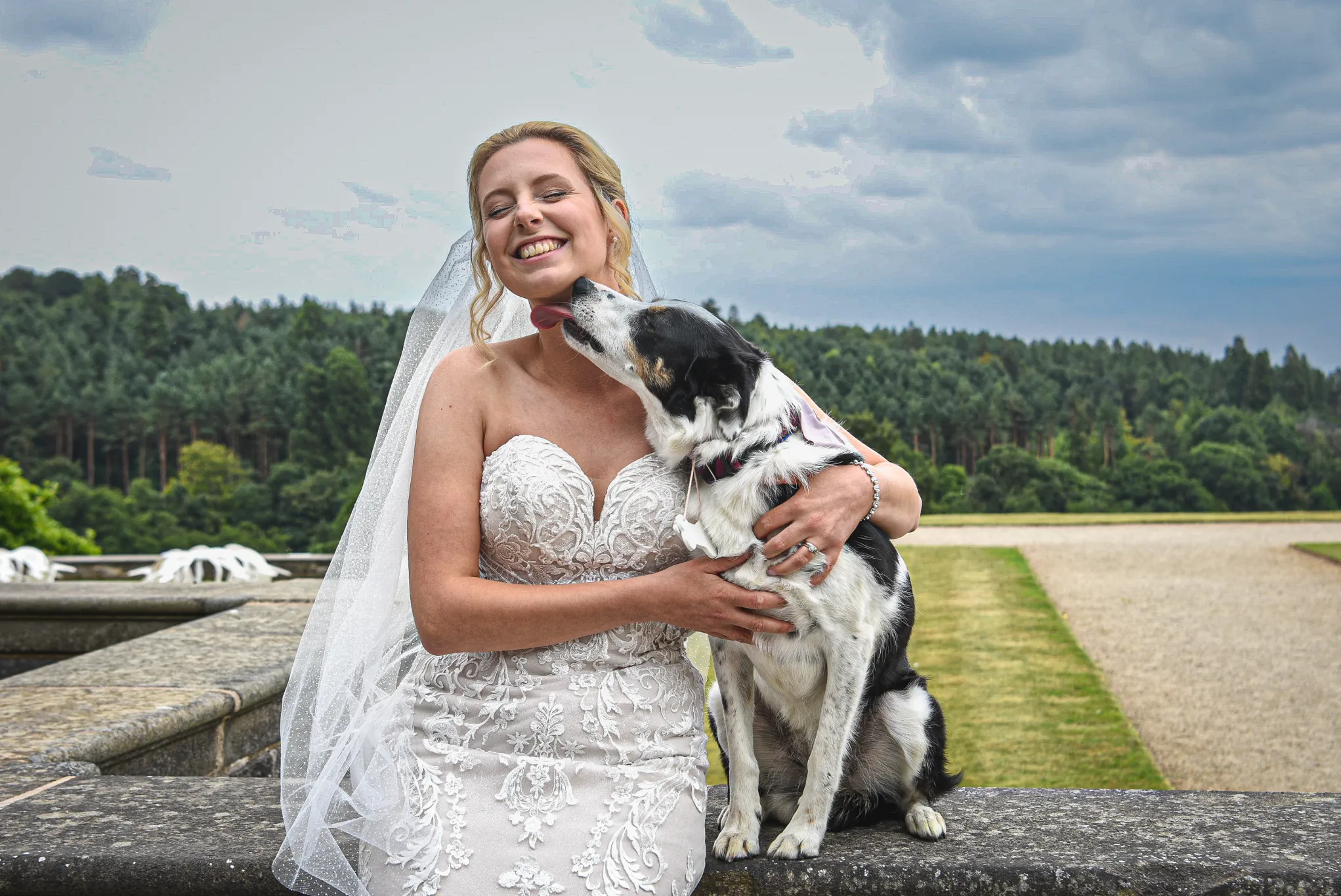
4. Look at the people in the photographs, not the settings. If every couple looks stiff, that is the photographer, not the couples.
Meet them, or at least call them
5. You are booking a person, not a camera. This is the supplier who will be beside you from breakfast to the first dance. If you would not want them at your table, do not put them behind your shoulder.
6. Notice who does the talking. A good photographer asks about your day, your families, the moments you are nervous about. If the whole call is about their gear and their awards, keep looking.
7. Ask how they handle the moments that go wrong. Every wedding has one. The answer tells you whether you are hiring a problem solver or a bystander. My own answer to the rain question is on my FAQ page, so you can hold me to it.
Read the paperwork before you fall in love
8. A proper contract protects you both. Date, hours, deliverables, payment schedule, illness cover, cancellation terms. No contract, no booking. It really is that simple.
9. Ask exactly what you receive and when. How many images, edited how, delivered how, after how long. “You will get everything” is not an answer. A number and a date is an answer.
10. Check who owns the images and how they can be used. Most photographers licence images to you and keep copyright, which is normal. What matters is that your gallery is yours to print and share freely.
11. Confirm insurance. Public liability and professional indemnity. Many venues will ask for proof anyway.
Weigh the price honestly
12. Compare what is included, not just the headline figure. One quote with an album, two photographers and a pre-wedding shoot can be better value than a cheaper one that is coverage only. Every one of my wedding photography collections lists exactly what is in it, for exactly this reason.
13. Be honest about your priorities. If photography matters deeply to you, weight your budget towards it and simplify elsewhere. If it does not, that is a legitimate choice too, and a good photographer would rather you make it knowingly.
14. Beware a price that seems too good. Photographing a wedding well is a ten-hour day followed by twenty hours of editing. A price that ignores that maths usually ignores something else as well.
Then trust your gut
15. When the work is right and the person is right, book them. Good photographers take a limited number of weddings a year, and the date you want is being looked at by other couples. The one thing I hear more than any other regret is “we waited too long to decide”.
If you want to see how I measure up against my own list, start with my portfolio, read about what working with me is like, and then ask me the difficult questions. I would genuinely rather you asked them.
Frequently asked questions
Do we need to meet a photographer before booking?
I would not book anyone without at least a video call. You are choosing the person who stands closest to you all day, not just a portfolio. If the conversation feels like hard work on a twenty-minute call, it will feel like hard work at seven in the morning on your wedding day.
Is a second photographer worth it?
Sometimes. If you are getting ready in different places, or you have two hundred guests, a second pair of eyes earns its keep. For an intimate wedding, one photographer who knows the day inside out is usually the better spend.
What is the difference between documentary and traditional wedding photography?
Documentary photographers capture the day as it happens with minimal direction. Traditional photographers build the day around arranged shots. Most of us sit somewhere on the line between the two. I lean documentary, with gentle direction during portraits so nobody is left wondering what to do with their hands.
What happens to our photos if the photographer is ill on the day?
Ask this question before you book. Any established photographer has a network of trusted colleagues to call on and insurance behind them. If someone cannot give you a straight answer, that tells you something.